


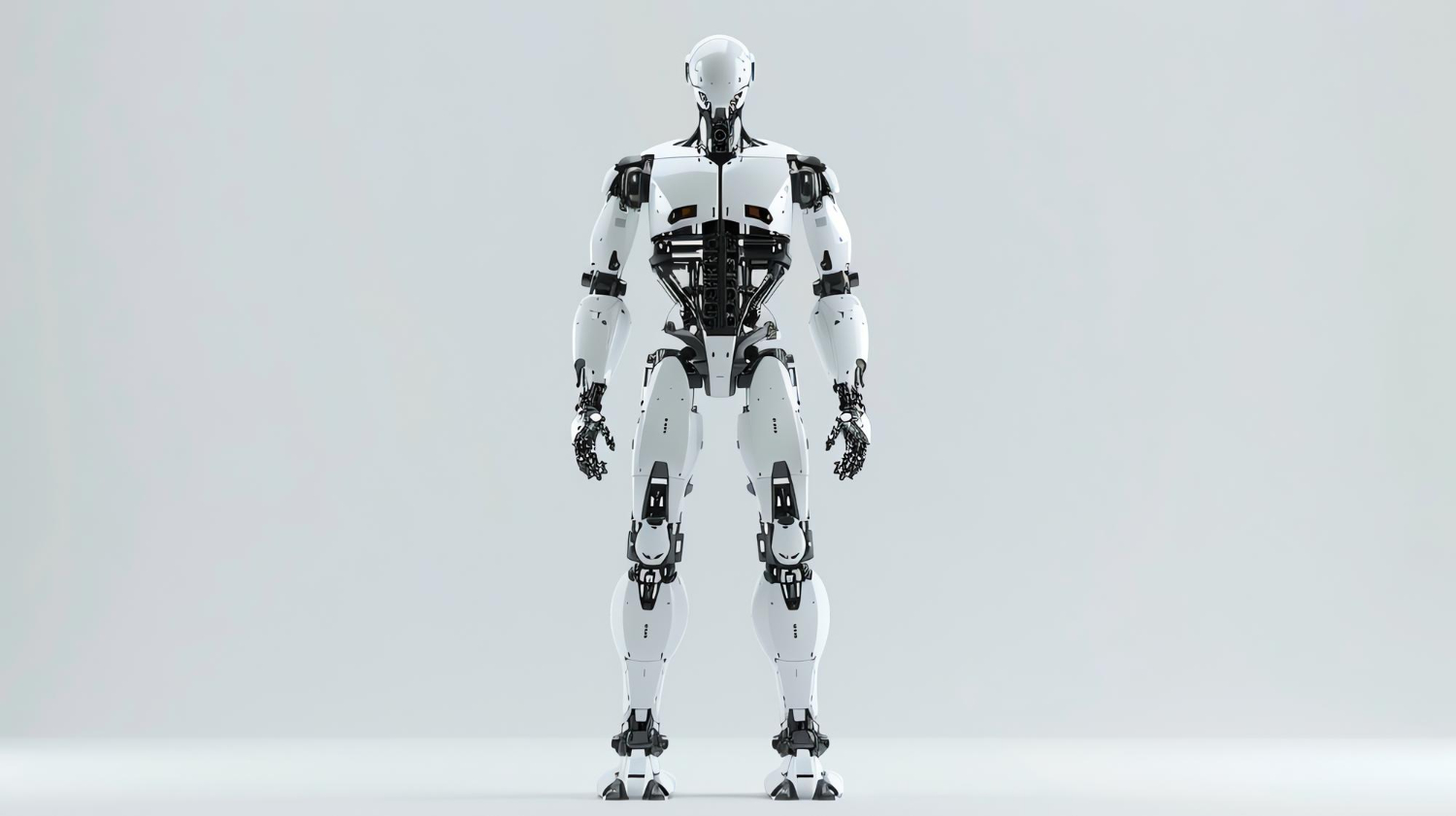
Unitree’s stock has fallen more than half from its peak, while Agility’s SPAC prices it at roughly 1,400 times sales. Both stories point to the same gap between humanoid robot hype and deployment.
Three weeks gave the humanoid robot industry its first real lesson in market gravity. On August 19, 2026, Unitree Robotics debuted on Shanghai’s STAR Market, and its shares surged 460% on day one. At the high, the company’s valuation reached roughly $66 billion. By September 9, the stock had slid about 53% from that intraday peak. Meanwhile, U.S. rival Agility Robotics opened its books for the first time ahead of a proposed SPAC merger, disclosing just $1.78 million in 2025 net sales.
Together, the two stories raise the question that operators, investors, and plant managers now face: what is a humanoid robot company worth, and what does that mean when these machines do real work?
Further reading: Humanoid Robots Are Going to Work: What WRC 2026 Signals for the Entire Industry
A $66 Billion Peak, Then a Pullback
Unitree priced its IPO at 150.80 yuan per share, raising about $900 million at a valuation near $9 billion. Trading ran far ahead of that. According to The Robot Report’s analysis of the sell-off, the stock closed at about 514 yuan on September 9, still more than three times its IPO price but worth roughly $30 billion, down from the peak.
Unitree is not a speculative shell. It generated about $252 million in 2025 revenue, up sharply from the year before, and shipped more than 5,500 humanoids. Humanoids made up just over half of total sales. The pullback looks less like a collapse in confidence than a market recalibrating a very high starting price.
Even so, a $30 billion valuation is roughly 125 times 2025 revenue. That is a bet on growth that hasn’t yet happened.
Two Humanoid Robot Companies, Two Very Different Proof Points
| Unitree Robotics | Agility Robotics | |
|---|---|---|
| 2025 revenue | ~$252 million | $1.78 million |
| Profitability | Profitable | $138.1 million net loss |
| Deployment evidence | 5,500+ humanoids shipped | Digit at 9 customer sites, 65,000+ operating hours |
| Order book | Not disclosed in comparable form | $300M+ in multi-year Digit v5 orders |
| Valuation reference | ~$30B (Sept. 9 close) | ~$2.5B (proposed SPAC) |
Unitree has proven it can sell a humanoid robot at scale, at prices as low as $13,500 for its G1 model. Agility has proven that industrial customers will sign multi-year contracts, but it has not yet shown that those contracts translate into large recognized revenue. The SPAC deal implies a valuation of about 1,400 times Agility’s 2025 sales.
What the Revenue Represents
Revenue quality matters as much as revenue size. The Wall Street Journal reported that less than 10% of Unitree’s 2025 revenue came from industrial applications. Meanwhile, the Financial Times has reported that China has set up more than 90 humanoid training centers, many co-funded by local governments, that buy robots and use them to generate training data, often through teleoperation.
That is real demand, but it is not the same as factories reordering robots because they raised throughput. Chinese regulators have reportedly taken notice. Reports say the China Securities Regulatory Commission has informally signaled that future humanoid listings should show recurring revenue, a path to narrower losses, or significant technical innovation. Those reports haven’t been independently verified, and regulators have not commented.
Why This Matters Beyond the Stock Ticker
If you buy or deploy automation, valuation swings are not just investor drama. They shape which vendors survive, which roadmaps get funded, and which pilots become supported products.
- Vendor stability: A company priced for perfection but earning little revenue can struggle if capital tightens.
- Pricing pressure: Low-cost entrants such as Unitree and consumer-oriented launches like the $3,555 Flourish One push hardware prices down.
- Deployment reality: Boston Dynamics opened its Robotics Metaplant Application Center near Savannah, Georgia, to train Atlas inside Hyundai’s manufacturing environment. The industry’s most credible humanoid programs are now testing in real plants, not on stages.
A Practical Checklist for Evaluating a Humanoid Robot Vendor
Whether you are piloting a humanoid or shortlisting suppliers, five questions cut through the marketing:
- How many robots are in paid, recurring production use? Pilots and training-center sales are not the same thing.
- What are the cumulative operating hours? Hours in the field show durability better than demo footage.
- What task is the robot actually doing? Narrow, repeatable tasks like tote moving are far more mature than general-purpose work.
- What does the safety architecture look like? Agility’s Digit 5 update emphasized a broader safety design, which is the kind of detail to ask about.
- How long is the vendor’s cash runway? Agility ended 2025 with about $103 million in cash against a $140.2 million operating loss.
The Bigger Picture: Infrastructure Is Consolidating
While humanoid makers face scrutiny, capital is flowing toward the layers beneath them. In September, Qualcomm agreed to acquire PickNik Robotics, the developer of the MoveIt manipulation framework, and said MoveIt will stay open source. SoftBank agreed to acquire the Robotics and AI Institute from Hyundai Motor Group, a deal now under U.S. national-security review. Intrinsic, a Google unit, open-sourced key parts of its platform.
The pattern is familiar from earlier technology cycles. Chips, software frameworks, and development tools often attract durable investment while individual hardware brands fight for position.
What to Expect Next
The humanoid category is unlikely to disappear, but expectations are being repriced. The next 12 months should show whether Agility’s contracted orders turn into recognized revenue, whether Unitree’s industrial share grows beyond single digits, and whether regulators tighten the bar for new listings. For buyers, the safest posture is to pilot narrowly, demand evidence, and keep vendor options open.
Humanoid Robot Frequently Asked Questions
Why did Unitree’s stock fall after its IPO?
Shares opened at a very high valuation after the IPO and then retreated as investors reassessed what the company was worth. Reports of tighter scrutiny on humanoid listings in China added pressure.
Is Unitree profitable?
Yes. It reported hundreds of millions in revenue in 2025 and positive earnings, which sets it apart from most Western humanoid developers. Its valuation, however, remains many times its sales.
How many humanoid robots are working in factories today?
Industrial deployment is still small. Agility says Digit operates at 9 customer sites, and Unitree’s industrial share of revenue was under 10% in 2025.
Should businesses wait to adopt a humanoid robot?
Not necessarily, but start small. Narrow pilots on well-defined tasks, with clear performance metrics and vendor financial diligence, limit risk while the technology matures.
Further reading: The AI Is Ready. The Robot Isn’t. Why Hardware Is Now Robotics’ Biggest Challenge


